Enterprise AI does not fail because of models. It fails because enterprise data is fragmented, inconsistent, difficult to govern, and hard for AI systems to understand safely. Most organizations already have APIs, integrations, and automation tools. But for AI systems, that is not enough. AI needs more than connectivity.
Modern AI systems require more than just powerful models to deliver reliable results at scale. They depend on trusted data, predictable behavior, and explainable access to ensure accuracy, consistency, and transparency. At the same time, strong governance and operational context are essential for managing risk and aligning AI with business objectives. Combined with semantic understanding, these capabilities enable AI systems to generate smarter, more relevant, and context-aware outcomes across enterprise environments.
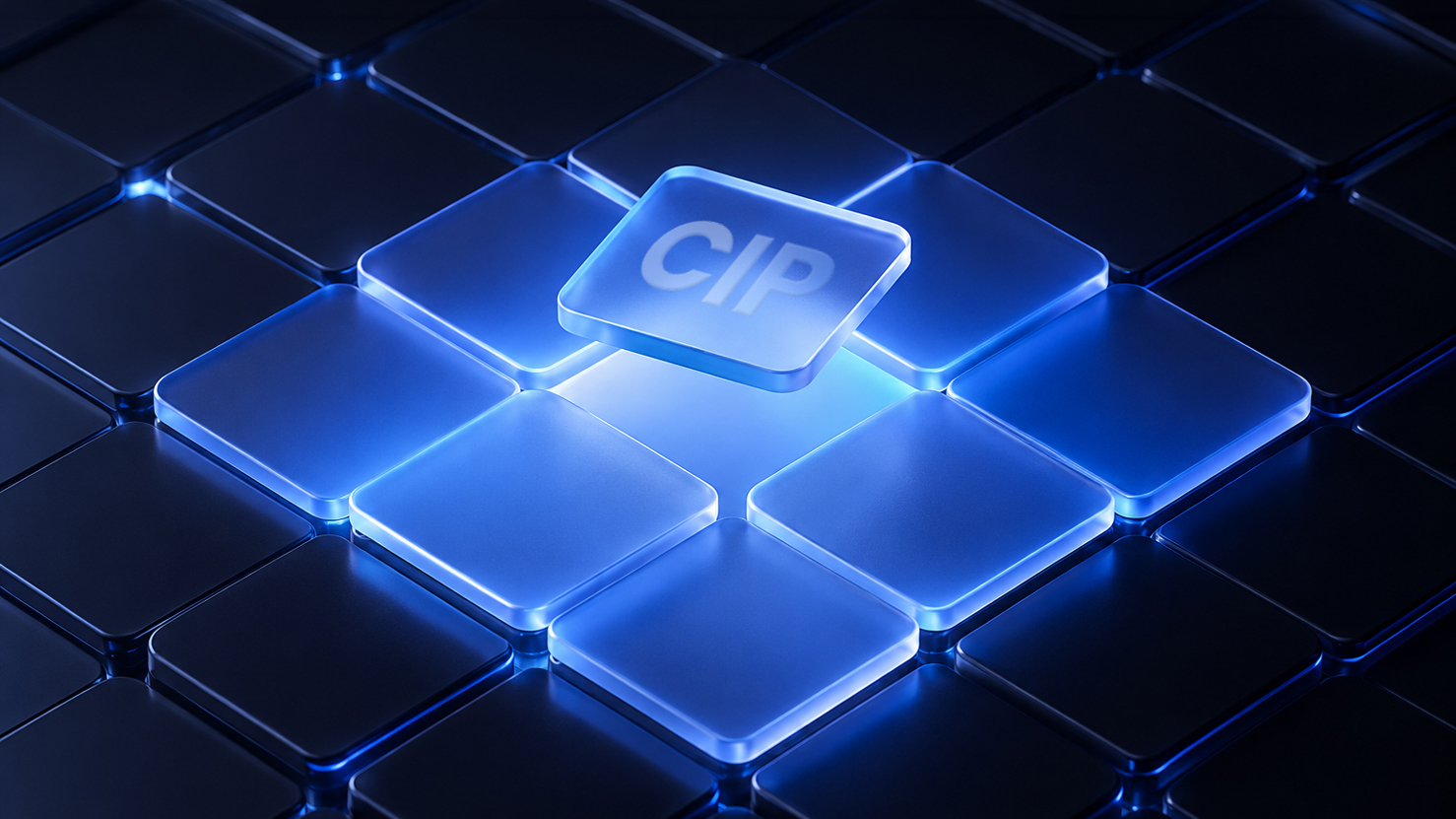
This is why AI Fabrix uses CIP (Composable Integration Pipelines) as the foundation of the Dataplane architecture.
CIP is a declarative integration standard used to connect enterprise systems in a governed and explainable way. Instead of writing large amounts of custom integration code, integrations are described as structured execution pipelines:
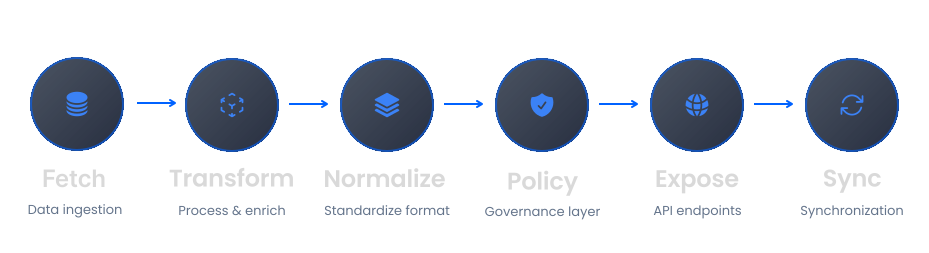
Every integration follows the same predictable model. This allows the platform to automatically:
Traditional enterprise integrations often evolve into isolated, highly customized projects that become increasingly difficult to manage over time. As systems grow more complex, organizations face challenges such as inconsistent security models, undocumented data mappings, hidden business logic, difficult debugging processes, duplicated integration code, and non-explainable AI behavior.
While these issues are already problematic for human teams, they create even greater obstacles for AI systems. An AI agent may be able to access an API endpoint, but it still lacks critical operational context, such as understanding what the data means, which fields are sensitive, how records are connected, what permissions are required, which filters apply, and which actions are safe to perform.
Traditional APIs expose technical structure, but they rarely communicate the operational meaning AI systems need to function effectively and responsibly.
OpenAPI and MCP are important standards for modern AI and integration ecosystems, but they address different layers of the problem.
OpenAPI focuses on describing technical structures such as endpoints, payloads, operations, and transport contracts, while MCP is designed to define AI-accessible tools, interaction capabilities, and agent operations. Despite their value, neither standard provides the deeper operational context enterprises require for reliable AI systems.
They do not define governance policies, semantic meaning, runtime controls, business dimensions, data lineage, normalization rules, filtering behavior, foreign key relationships, execution order, or trust boundaries. As a result, AI systems may understand how to access services, but they still lack the contextual intelligence needed to operate safely, consistently, and in alignment with enterprise rules and business logic.
Without this information, AI systems operate with limited understanding of enterprise data. That creates risk.
CIP adds the operational and semantic layer that enterprise AI requires.
A CIP manifest goes beyond basic API definitions by describing normalized business entities, field mappings, system relationships, governance rules, policy enforcement, exposure models, semantic descriptions, and execution behavior. This additional layer enables AI systems to understand what data represents, how it can be used, which permissions apply, how records are connected, and which operations are considered safe.
Instead of interacting with APIs blindly, AI systems gain the context required to make more accurate, secure, and policy-aware decisions within enterprise environments.
Every integration in Dataplane can be automatically validated by the platform.
By default, integrations support three validation layers:
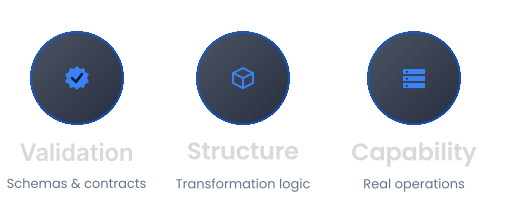
Integrations can also be certified automatically during deployment based on factors such as mapping quality, governance readiness, policy coverage, runtime behavior, and operational consistency. This approach ensures that integrations are not only technically functional, but also aligned with enterprise standards, compliance requirements, and operational best practices.
CIP execution is fully explainable.
Every execution step is traceable:
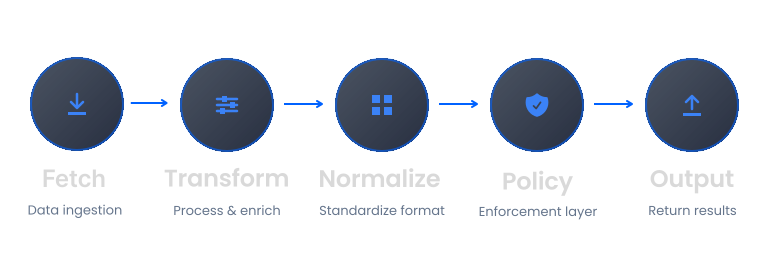
The platform provides deep visibility into integration behavior by exposing execution traces, policy decisions, filtering logic, field lineage, runtime diagnostics, and audit events.
This level of transparency allows both developers and AI agents to understand why a record was filtered, why access was denied, where a field originated, which policy was applied, and which transformation failed during execution. As a result, the system remains transparent, explainable, and fully debuggable, making it easier to manage complex enterprise integrations with confidence and control.
In traditional integration architectures, security and governance are often fragmented across middleware, APIs, databases, filters, and custom service logic, making systems difficult to manage and maintain consistently. CIP changes this approach by embedding governance directly into the integration definition itself.
This allows Dataplane to automatically enforce RBAC and ABAC policies, validate permissions, apply filtering rules, audit execution activity, and generate AI-safe contracts across connected systems. As a result, governance becomes standardized, scalable, and consistent throughout the entire integration ecosystem.
CIP intentionally prioritizes:
That tradeoff is deliberate. Some workloads are intentionally outside the primary CIP model:
These scenarios may still require custom services or custom runtime code.This is not a weakness of the architecture.It is an intentional boundary that keeps the integration layer understandable, governable, and operationally predictable.
AI Fabrix intentionally focuses on a small set of integration standards:
The goal is not unlimited extensibility.
The goal is operational consistency for enterprise AI systems.
Too many integration models eventually create:
A clean architecture is critical for long-term enterprise AI operations.
Traditional enterprise integrations assume:
Every integration is a software project.
The CIP model assumes:
Every integration is a governed executable contract.
That shift enables:
A enterprise AI systems continue to evolve, organizations need integration frameworks that go beyond basic connectivity and API management. By combining governance, semantic understanding, operational context, validation, and transparency, modern integration approaches like CIP help create AI-ready environments that are secure, scalable, and explainable. This not only improves system reliability and compliance but also enables AI agents to operate with greater accuracy, accountability, and business awareness across complex enterprise ecosystems.
If you are deciding where to start, start with the process you can prove. See the ten-day path to production.